Dimension That Looks Naturally Grown In
Highlights & Balayage in Waterville for adding brightness without a stark, uniform stripe effect
Traditional highlights place lighter pieces throughout the hair using foils that create contrast from root to end, while balayage hand-paints color onto the surface for softer, blended transitions that mimic how sun naturally lightens hair. The Salon At 25 Elm uses both techniques depending on whether you want defined ribbons of light or a gradual, low-maintenance fade that grows out without a harsh line. Stylists customize placement around your face shape, parting habits, and how much lift you want from your natural base.
Highlight foils allow precise saturation control and lift multiple levels for dramatic contrast, while balayage sweeps lightener onto select strands in varying thicknesses to create depth that doesn't require frequent root appointments. The choice between techniques depends on your desired maintenance schedule and whether you prefer structured brightness or organic variation.
Book a color consultation to evaluate placement strategies and determine which technique matches your styling routine.
How Placement Affects the Final Look

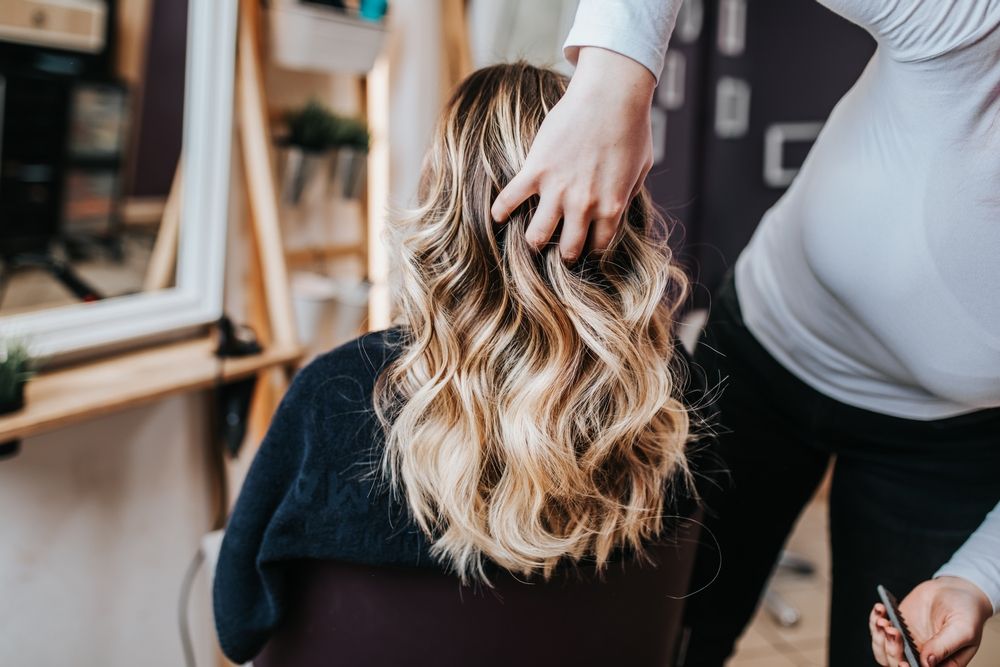
Stylists section hair based on where you part it, how you typically wear it down or pulled back, and which areas frame your face most often. Balayage focuses heavier saturation on the mid-lengths and ends where sun exposure naturally occurs, leaving roots darker for a shadow effect that doesn't show regrowth as obviously. Foil highlights can be woven finely for subtle blending or sliced thicker for bolder ribbons depending on the level of contrast you want against your base color.
Once processed and toned, you'll see multi-dimensional movement when your hair catches light instead of flat, single-tone color. Balayage creates softer transitions that blend as your hair grows, while highlights maintain more defined separation between light and dark pieces. Both techniques add perceived volume and texture by breaking up solid color with varied tones.
Touch-up timing varies significantly between the two methods. Balayage clients often wait three to six months before needing additional lightening because the grow-out blends naturally, while traditional highlights may require toning or root blending every two to three months to keep the contrast intentional rather than grown-out. Toning treatments between sessions can adjust warmth or coolness without additional lightening.
Answers to Frequent Service Questions
Clients in Waterville often ask about technique differences, upkeep requirements, and how to choose between highlighting methods.
What is the main difference between highlights and balayage?
Highlights use foils to lighten hair in uniform sections from root to end, while balayage hand-paints lightener for softer, graduated color that blends as it grows.
How long does a highlighting appointment take?
Full highlight sessions typically require two to three hours depending on hair length and density, while partial highlights or balayage touch-ups may take less time.
When is balayage a better choice than foil highlights?
Balayage works well if you want low-maintenance color that grows out gracefully and don't mind softer contrast instead of defined bright pieces.
Why does toning happen after lightening?
Toning neutralizes unwanted warmth or brassiness that appears when hair is lifted, allowing stylists to dial in the exact cool, warm, or neutral blonde shade you requested.
What affects how often I need touch-ups?
Your natural growth rate, how much contrast exists between your base and highlighted sections, and whether you choose balayage or traditional foils all influence your maintenance schedule.
The Salon At 25 Elm tailors placement and technique to fit your hair texture and how much time you want to spend on upkeep. Arrange a consultation to review balayage and highlight options based on your current color.